Dental implants: a clear patient guide
What assessment, planning, treatment and healing can involve before you decide.
7 min · Reviewed for patient clarity
What an implant replaces
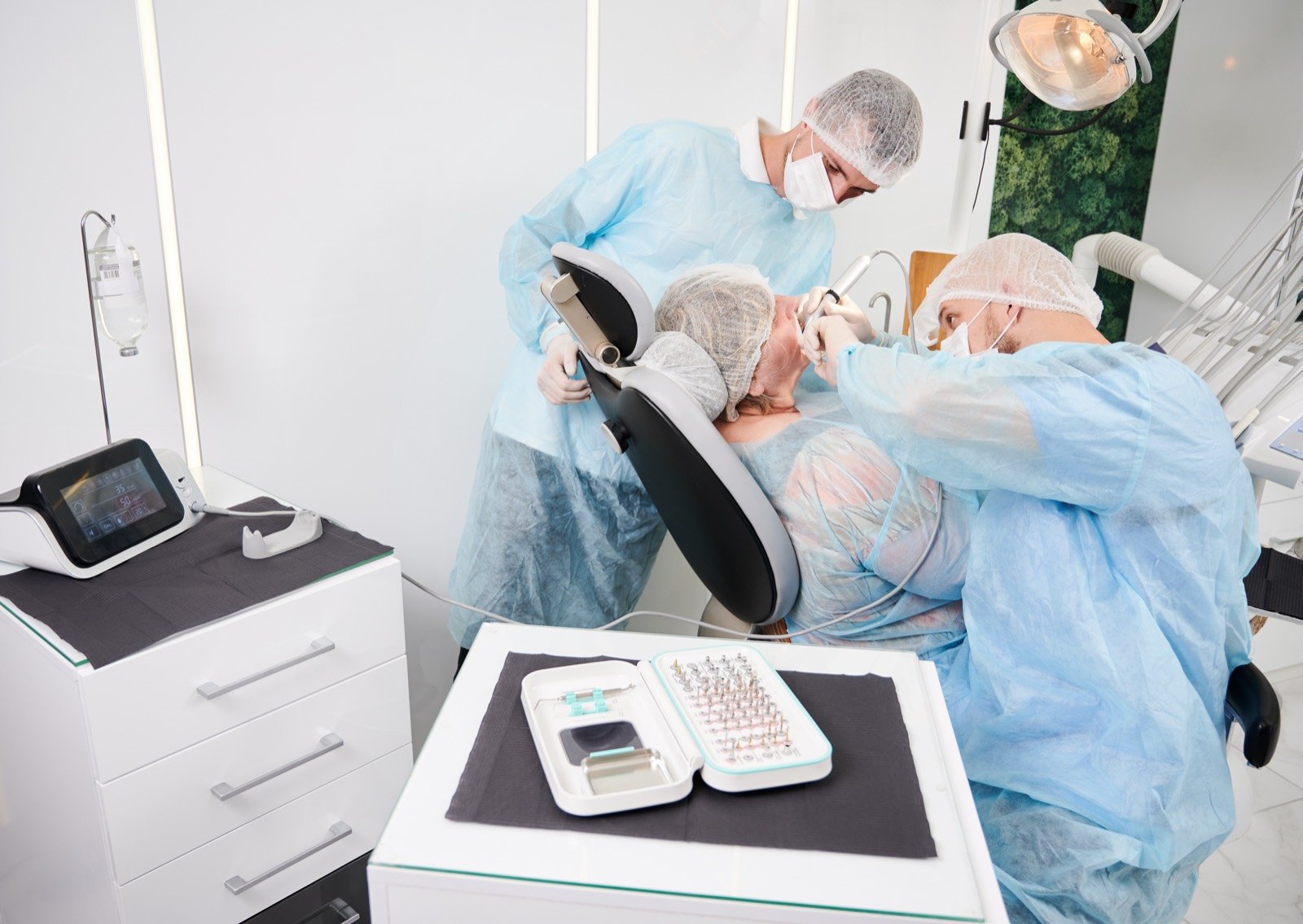
A dental implant is placed in the jaw to support a replacement tooth. The visible crown and the implant beneath it are separate parts of one treatment plan. Suitability depends on the missing tooth area, gum health, bone, bite, medical history and personal goals. An examination and appropriate imaging are needed before a recommendation.
Planning comes before surgery
Your dentist may assess the space, bone dimensions and nearby anatomy, then plan the final tooth position. This restorative-first approach helps the surgical and cosmetic decisions support the same outcome. Some patients need additional procedures, while others do not. Those details should be discussed before treatment rather than appearing as a surprise later.

The treatment timeline
Implant treatment may involve examination, placement, healing and the final crown across separate visits. The exact sequence varies by case. Immediate solutions are possible only in selected situations, not as a universal promise. Ask which stages apply to you, how long healing is expected to take and what temporary option may be available.
Comfort and aftercare
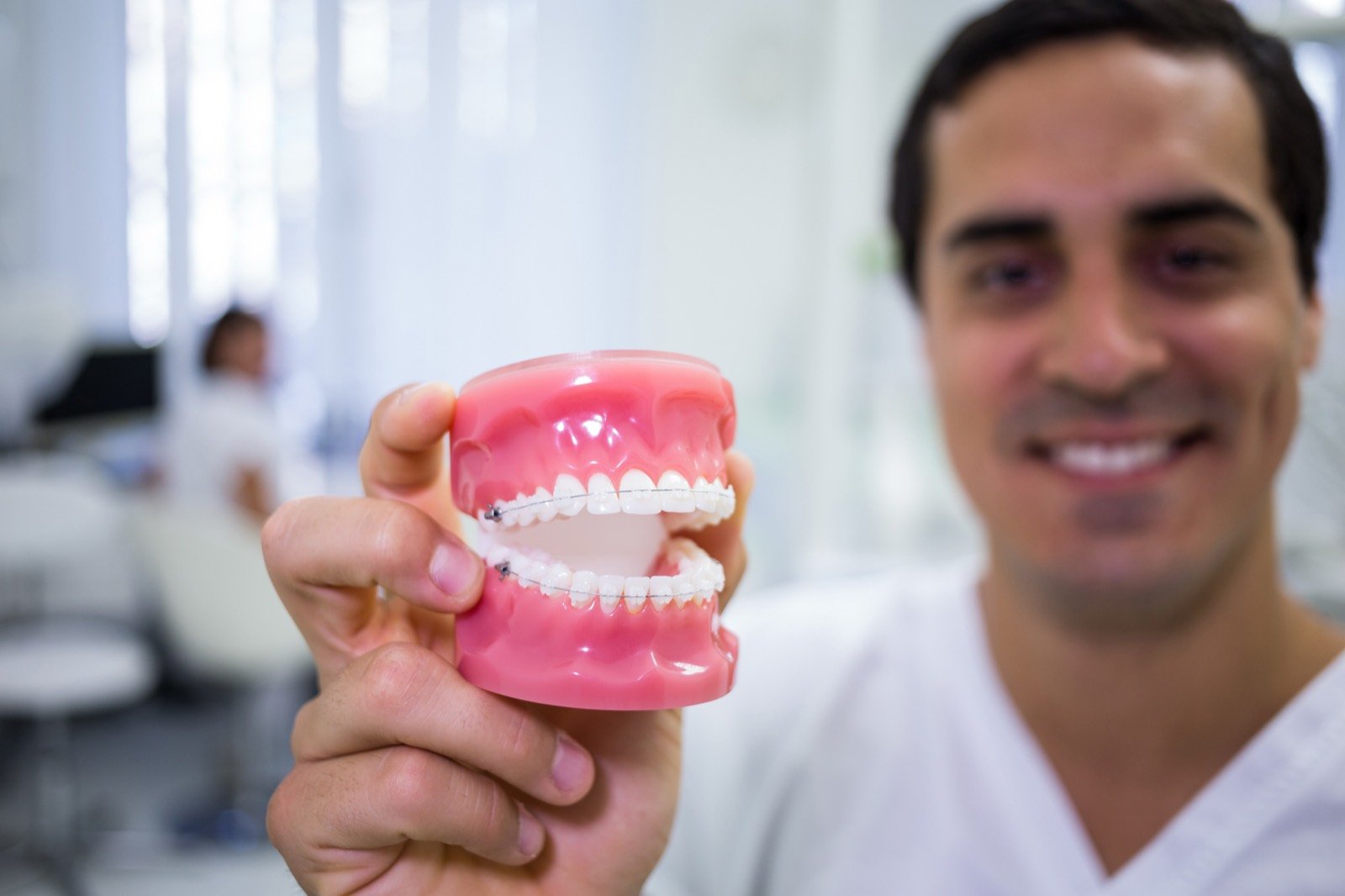
The team should explain how the procedure is managed, what you may feel afterwards and how to care for the area. Follow the instructions you receive for medicines, cleaning, food and review visits. Contact the clinic if pain or swelling is worsening, bleeding does not settle, or anything feels unusual. Individual advice from your treating dentist takes priority.
Questions worth asking
Ask who will perform each stage, what records are needed, which alternatives exist, what the estimate includes and how maintenance works. A useful consultation does not rush these questions. It gives you enough information to weigh benefits, limitations, time and cost in the context of your own health.
This is general information. Treatment decisions should be made with your dentist after examining your individual case.